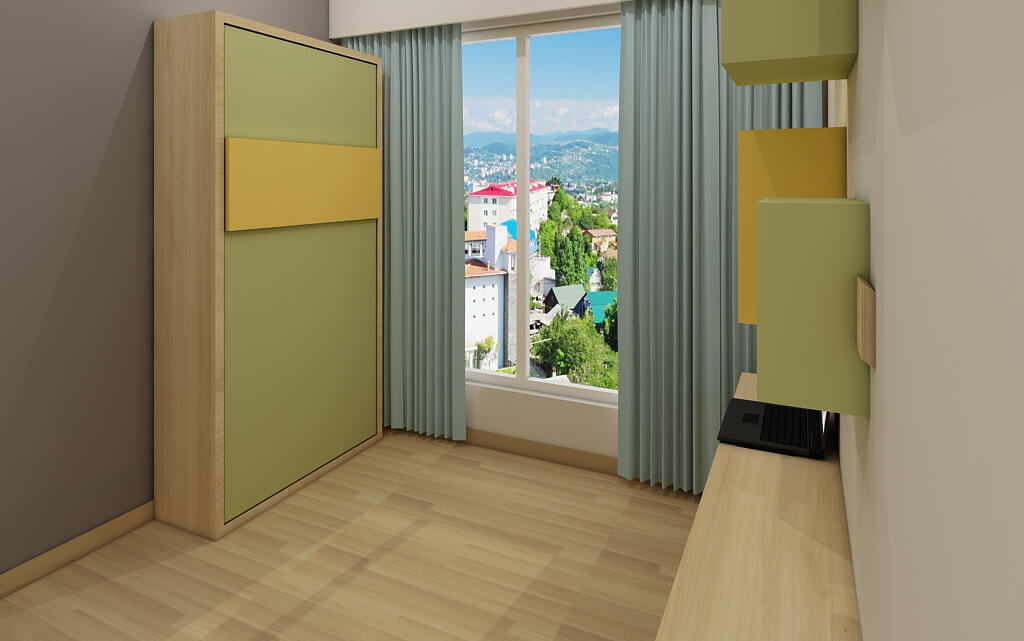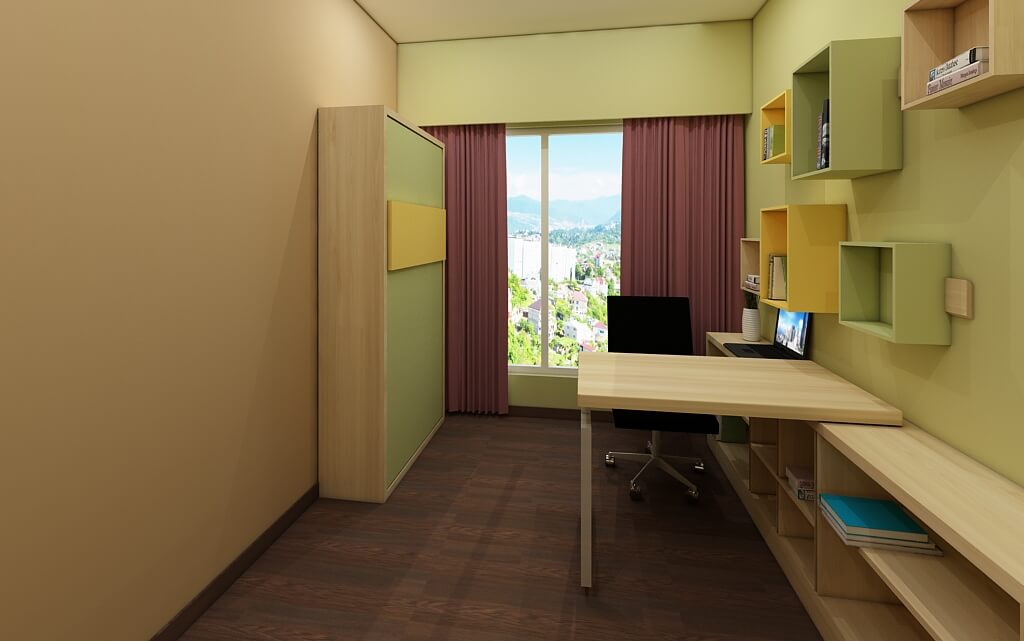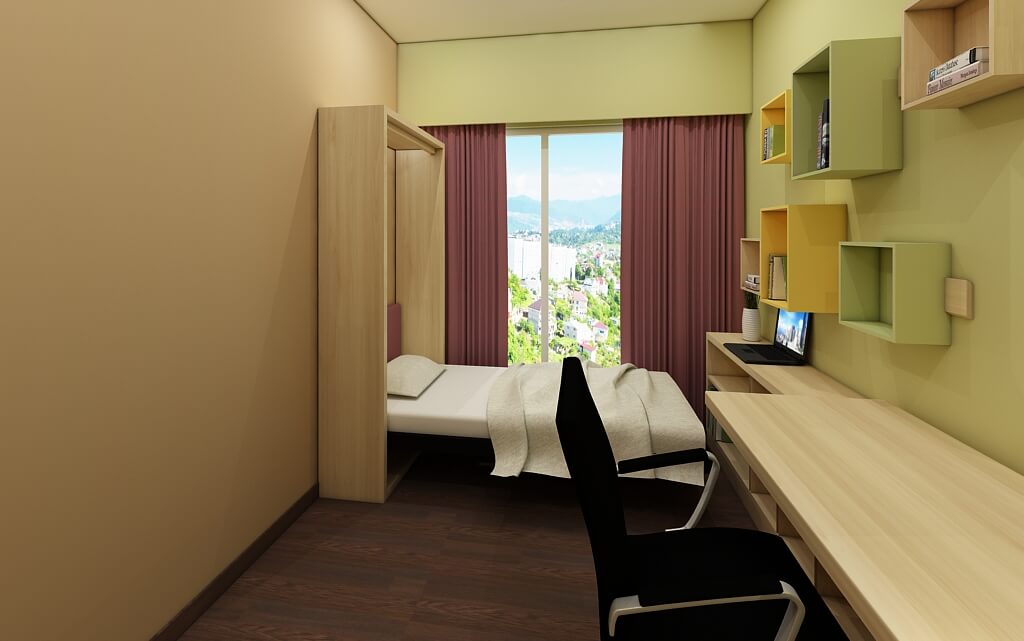

Why Wall Attached Beds Are the Future of Space Saving Furniture
Modern urban homes ask more of every square foot. Cubit Furniture designs for this reality with solutions that combine utility and quiet elegance. A space saving furniture bed turns a single room into a living, working, and resting zone without clutter. Thoughtful Single Murphy Bed with Folding Desk designs create order, comfort, and visual calm in compact living solutions.
Why Wall Attached Beds Are the Future of Furniture Design
Changing lifestyles and smaller apartments favor furniture that adapts through the day. Wall attached beds fold away neatly and free central floor space for work, dining, and play. The result is multifunctional furniture that supports modern bed designs while keeping interiors open and bright. Cubit Furniture treats the wall as a smart surface, integrating structure, finish, and proportion.
Key Benefits of Wall Attached Beds
A wall system helps a room perform more than one role without looking busy.
- Daily footprint reduction: Close the bed to reclaim usable space for a desk or seating area, improving flow.
- Clean aesthetics: Flush panels, aligned gaps, and uniform finishes reduce visual noise and support calm routines.
- Reliable mechanism: Counterbalanced frames and guided hinges ensure smooth, quiet motion and consistent alignment.
- Flexible layouts: Choose the installation wall that respects alignment preferences while keeping circulation clear.
- Integrated thinking: Options such as side shelves or task lighting coordinate with smart furniture planning.
These advantages reflect Cubit Furniture’s focus on practical beauty, which in turn supports retention for rental assets, guest comfort in studio units, and long‑term brand visibility for developers.
Popular Space Saving Bed Designs for Modern Homes
Select vertical or horizontal fold based on the preferred wall and nearby openings, so the panel closes cleanly without crossing sightlines.
- Vertical fold queen: Ideal for narrow rooms where wall orientation allows an upright close, keeping circulation clear.
- Horizontal fold double: Suits wide wall layouts where alignment preferences matter, leaving space above for storage units or artwork.
- Sofa‑combination frame: Converts a lounge zone into a bedroom by night, with firm seat foam and hidden legs for stability.
- Desk‑convert model: Work surface pivots level as the bed opens, protecting devices and notes during transition.
- Cabinet front with shelves: Shallow book storage frames the bed niche and provides balanced symmetry.
Each format respects proportion and load paths, which supports daily ease and reduces wear in compact furniture ideas.
Wall Attached Beds vs Traditional Beds
Both serve rest, yet they organize space differently.
Wall Attached Beds
A wall system stores the mattress upright within a balanced frame. The room returns to open plan during the day, which helps small apartments function well. Finishes align with built‑ins to present a single composed surface.
Traditional Beds
A fixed frame anchors the room with a permanent horizontal footprint. Styling varies widely, and under‑bed storage adds utility where space permits. The format suits larger rooms where circulation is not a constraint.
Both approaches deliver comfort and style. Wall systems improve daily flexibility in compact living solutions, while fixed frames favor generous layouts and layered decor. Selection depends on floor area, storage needs, and the rhythm of the household.
Tips for Choosing the Right Space Saving Furniture Bed
Good selection starts with real dimensions and daily patterns.
- Measure the full arc: Check open length and swing clearance against nearby doors, windows, and furniture.
- Coordinate door swing and bed motion: match latch side and hinge clearances so both can operate without conflict.
- Pick orientation wisely: Vertical fold favors narrow rooms; horizontal fold suits wider walls and low lintels.
- Assess mechanism quality: Look for tested hardware, firm locking points, and serviceable parts.
- Match mattress profile: Choose a weight and depth approved for the frame to preserve balance and comfort.
- Plan storage adjacencies: Combine shallow cabinets for linens and charging points for devices.
- Confirm wall structure: Ensure anchoring into suitable studs or masonry with correct fasteners.
- Review finish durability: Prefer laminates or veneers that resist scuffs in high‑touch zones.
- Consider household use: Daily users need smoother lifts; occasional guests can use lighter frames.
These checks align with choosing space saving bed designs that fit the plan, reduce maintenance, and respect the look of the room.
Conclusion
Wall attached beds turn single‑purpose rooms into flexible, well‑kept spaces. The format unlocks floor area, supports focused work by day, and restores restful sleep by night. As modern bed designs evolve, the best examples feel integrated, not improvised. Cubit Furniture develops space saving furniture bed solutions that bring clarity to compact furniture solutions while honoring authenticity and appreciation in design.
FAQs
What is a wall attached bed and how does it work?
It is a bed mounted to a reinforced panel or frame that folds up vertically or horizontally, using counterbalanced hardware to raise and lower safely.
Are wall attached beds safe for everyday use?
Yes, when installed to proper structure with certified mechanisms and routine checks, they perform reliably for daily cycles.
What are the best space saving bed designs for small apartments?
Vertical fold queen and desk‑convert models are common choices because they return clear floor area without moving other furniture.
How do wall beds differ from Murphy beds?
Murphy bed is a popular term for the category; wall beds often describe contemporary systems with integrated cabinetry and updated hardware.
Can wall attached beds include storage options?
They can pair with side cabinets, overhead shelves, or shallow drawers designed to maintain balance and clearances.
What factors should I consider before buying a space saving furniture bed?
Measure openings, confirm wall type, review mechanism ratings, and select finishes that match existing joinery.
Do wall attached beds come in different sizes and styles?
They are available in single to queen sizes with fronts that range from plain panels to framed cabinetry.
How much space can a wall attached bed actually save?
Closing the bed typically frees the full mattress footprint for day use, which can reclaim several square meters in a studio.
Can wall attached beds be customized to match interiors?
Custom fronts, pulls, and shelving modules coordinate with room palettes and adjacent storage.
What is the average lifespan of a space saving furniture bed?
With quality hardware and correct installation, systems often serve for many years with periodic tightening and care.
Table of Contents
Related Post
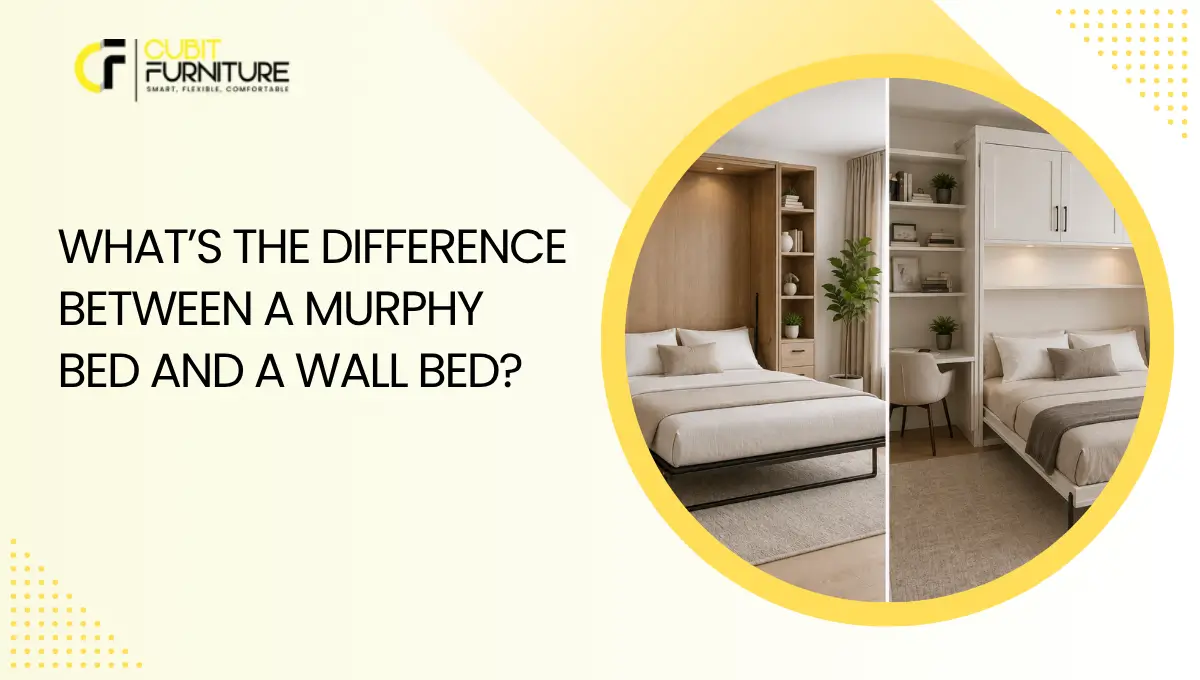
Evaluating the subtle distinction between a Murphy bed and a wall bed helps...
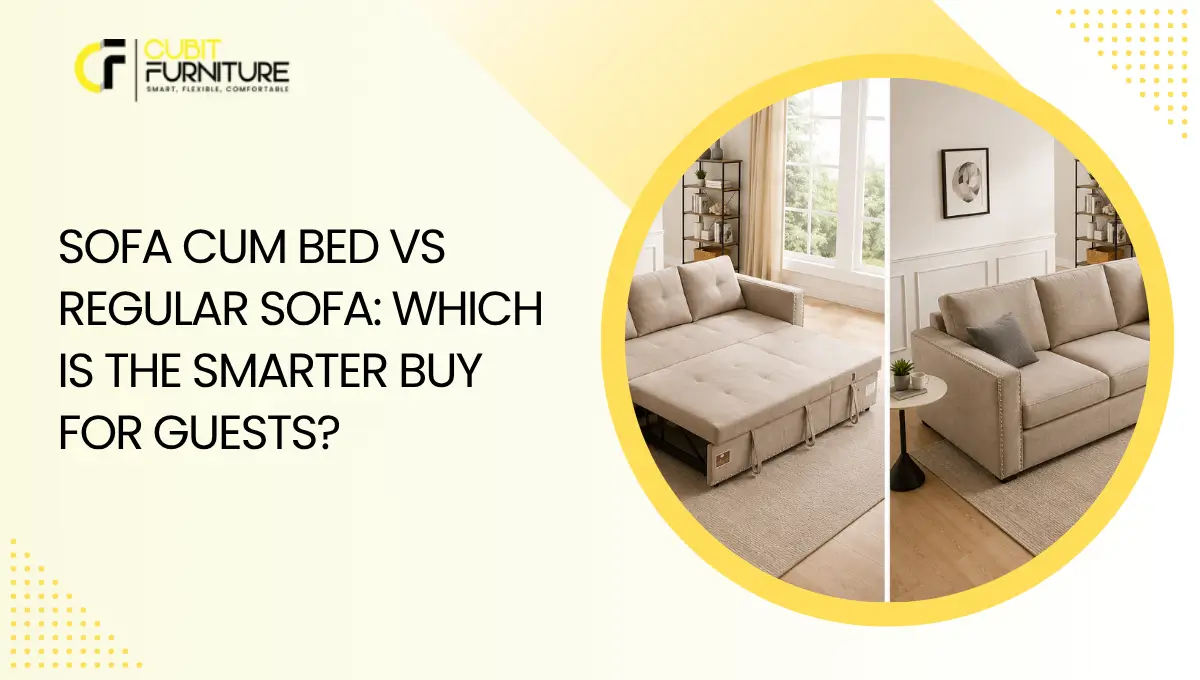
Selecting between a sofa cum bed and a regular sofa defines how living...
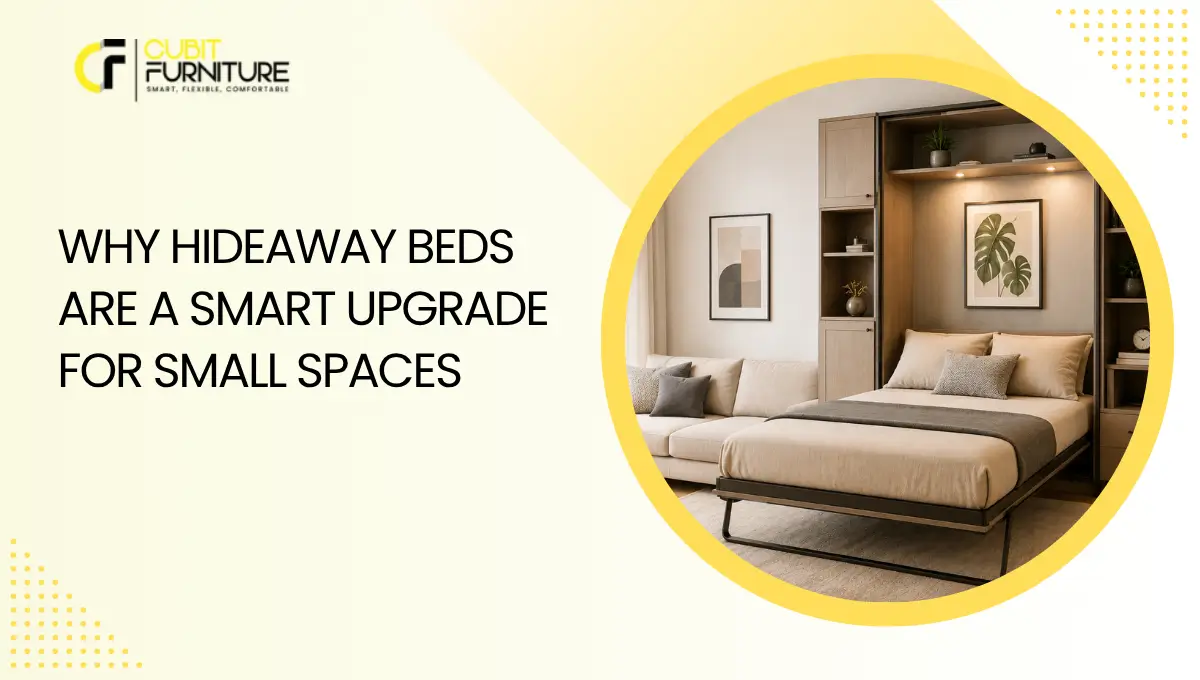
Incorporating hideaway beds offers a smart upgrade for property owners seeking to optimize...