
Why Hideaway Beds Are a Smart Upgrade for Small Spaces
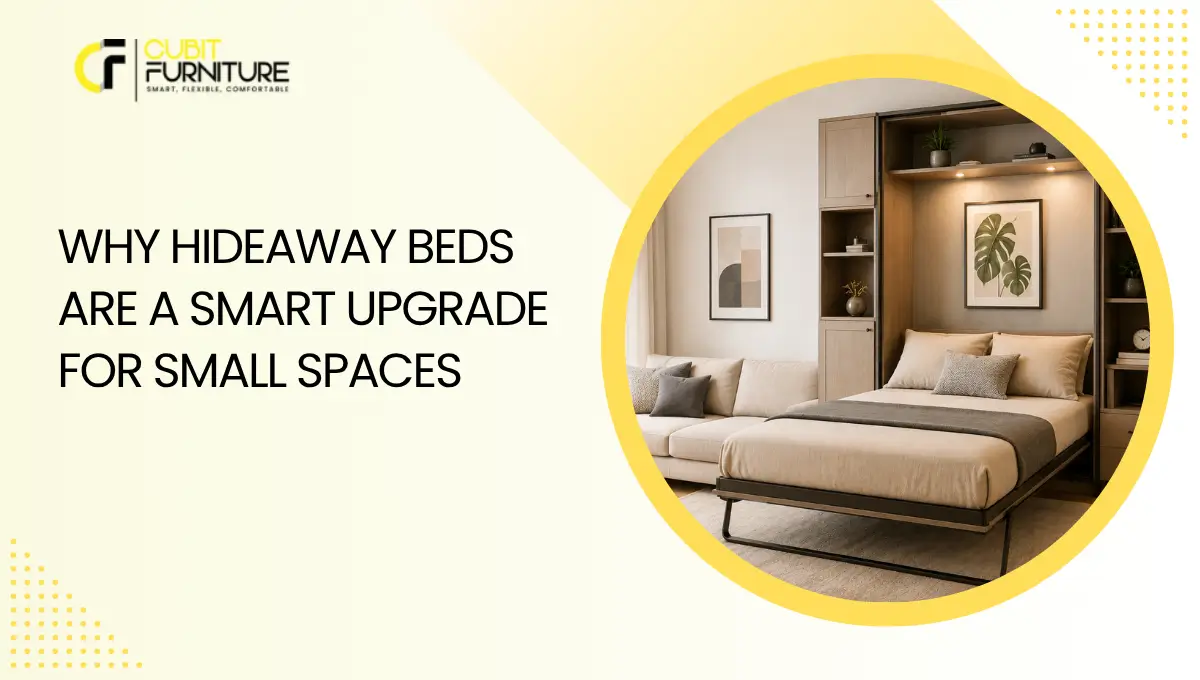
Incorporating hideaway beds offers a smart upgrade for property owners seeking to optimize small spaces. Modern residential layouts often present spatial challenges that require creative furniture configurations to maintain daily comfort. Traditional sleeping furniture occupies fixed floor area regardless of whether the room is currently in active use. Selecting versatile foldaway sleeping arrangements transforms compact homes into dynamic living environments suitable for diverse daily activities.
When Traditional Beds Don’t Work in Small Spaces
Evaluating spatial constraints highlights why traditional beds often prove impractical within limited floor space. Standard stationary frames permanently consume central floor area in compact bedrooms, leaving minimal space for desks or storage units. Selecting practical small room furniture resolves these layout challenges by keeping essential walking pathways clear throughout the day. Cubit Furniture provides innovative space-saving beds that resolve spatial conflicts while enhancing overall property utility and interior value.
How Hideaway Beds Make Small Spaces More Functional
Maximizing everyday efficiency relies on creating multifunctional rooms that adapt seamlessly to changing lifestyle needs.
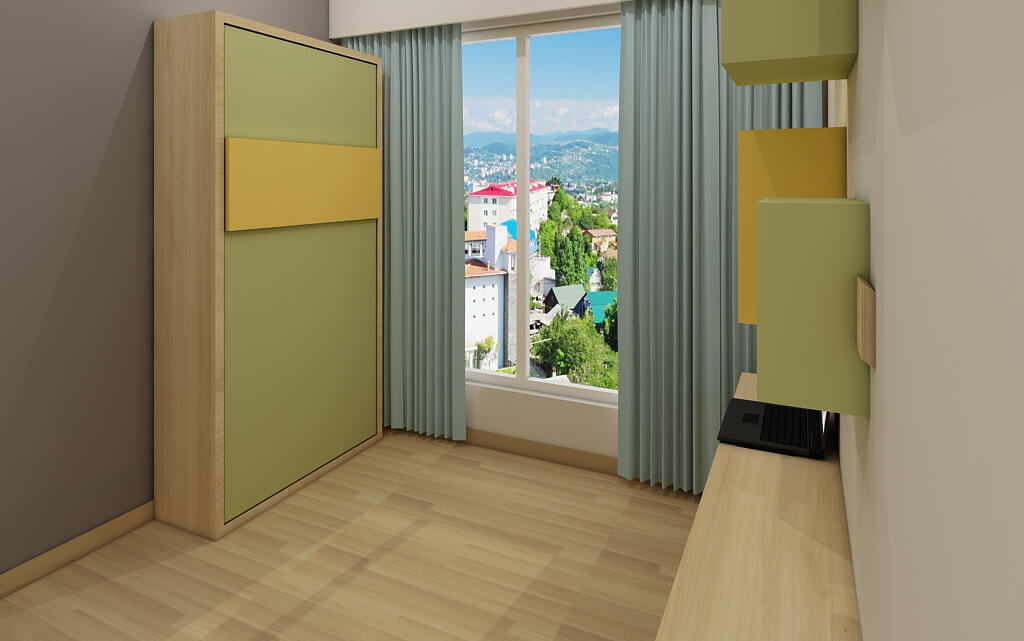
- Folding the sleeping surface into sleek cabinetry creates an open floor layout for daytime productivity and active movement.
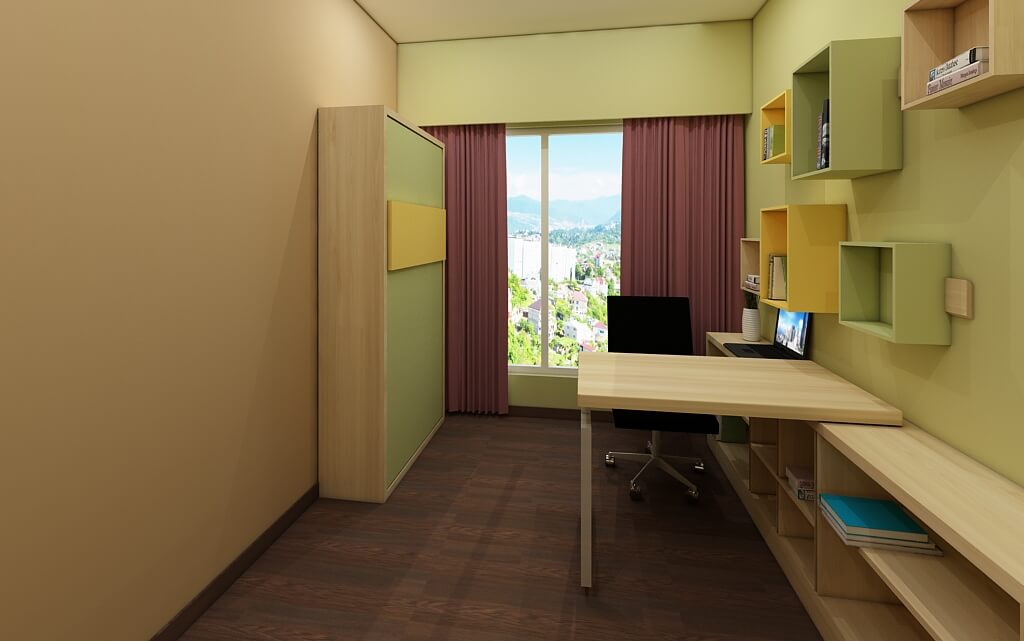
- Converting the main sleeping area into an organized workspace supports both professional tasks and evening relaxation.
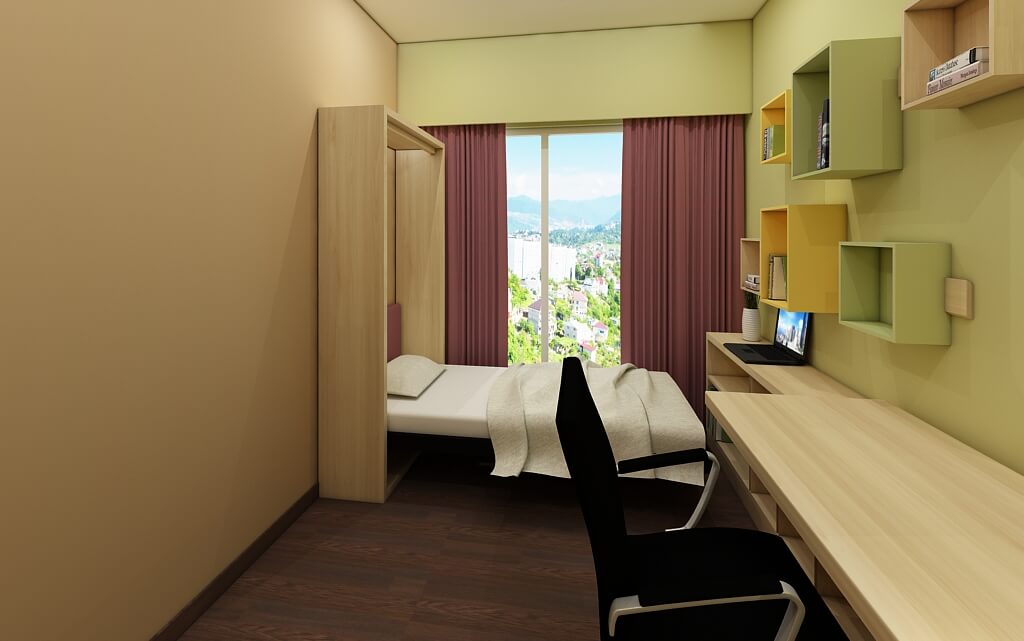
- Providing a high-quality guest sleeping solution ensures visiting friends enjoy supportive comfort without permanent space trade-offs.
- Concealing bedding components behind tailored panels maintains organized interiors that showcase clean architectural aesthetics.
- Optimizing available floor area allows property owners to experience spacious living even within compact floor plans.
Implementing these versatile designs elevates living quality while driving long term customer loyalty and brand reputation.
Choosing the Right Hideaway Bed for Your Space
Selecting appropriate convertible furniture requires matching specific mechanism types to room dimensions and daily routines.
Comparing specific models clarifies how different structural formats address distinct interior requirements.
- Vertical Murphy beds utilize wall-mount systems that fold smoothly upward into tall outer cabinetry. These units maximize available floor area while storing full-thickness mattresses behind elegant cabinet facades. Their vertical orientation fits narrow wall sections where vertical ceiling height remains readily accessible.
- Cabinet beds store horizontally within low-profile credenzas that require no wall mounting. These compact units open outward easily while providing a sturdy upper surface for televisions or decorative displays. Their low height profile suits rooms with sloping ceilings or low window sills.
Both options deliver outstanding spatial efficiency, allowing property owners to choose between tall vertical integration and flexible low-profile storage.
- Assessing available wall clearance and ceiling height determines whether vertical or horizontal opening formats fit best.
- Incorporating modern sofa beds or pull-out trundle beds supplies extra guest capacity for flexible room layouts.
Guiding customers toward their ideal configuration strengthens brand authority and ensures lasting product appreciation.
Smart Ways to Use Hideaway Beds Around the Home
Expanding property utility involves installing flexible furniture across diverse living areas rather than restricting convertible beds to traditional bedrooms.
- A home office guest room setup allows professionals to work productively while maintaining instant hosting capacity for overnight visitors.
- Efficient studio apartments utilize hidden sleeping frames to maintain separate living and resting zones within single room layouts.
- Transforming underutilized bonus rooms creates dual-purpose lounges suitable for crafts, exercise, or weekend guests.
- Converting basement areas and dedicated hobby rooms maximizes total square footage without overcrowding main living quarters.
Integrating these adaptable options across multiple rooms enhances overall home functionality and boosts long-term customer retention.
Making the Most of Every Room With a Hideaway Bed
Unlocking the full potential of existing square footage relies on implementing thoughtful layout planning and adaptable interior elements. Integrating flexible home design principles allows a single room to transition smoothly between work, recreation, and restful sleep. Thoughtful room organization preserves aesthetic appeal while compact living solutions streamline daily household routines. Cubit Furniture delivers authentic craftsmanship that optimizes living space, driving sustained brand recognition and client satisfaction.
Conclusion
Understanding hideaway bed benefits combines supportive rest with adaptable space utilization across modern residences. Incorporating flexible furniture transforms compact floor plans into functional interiors equipped for both quiet relaxation and social hosting. Selecting smart home solutions optimizes residential property investments while creating functional interiors tailored to modern living.
FAQs
Why are hideaway beds useful in small spaces?
They fold away when unused, freeing up central floor area for daily activities.
How do hideaway beds free up floor space?
The sleeping surface stores vertically or horizontally against walls or inside cabinetry.
Can a hideaway bed turn a home office into a guest room?
It allows a single room to serve as a productive workspace by day and a guest bedroom by night.
What types of hideaway beds are available?
Popular designs include vertical wall units, horizontal cabinet models, convertible sofa systems, and trundle frames.
Are hideaway beds comfortable for guests?
Quality models accommodate standard full thickness mattresses that supply excellent ergonomic support.
What should I consider before choosing a hideaway bed?
Measure room dimensions, ceiling clearance, wall stud locations, and evaluate expected usage frequency.
Where can hideaway beds be used around the home?
They fit exceptionally well in home offices, studio apartments, bonus rooms, basements, and guest spaces.
Can hideaway beds make a small room feel more spacious?
Removing the visual bulk of a fixed mattress creates an open, uncluttered interior environment.
Why are hideaway beds useful in small spaces?
They fold away when unused, freeing up central floor area for daily activities.
How do hideaway beds free up floor space?
The sleeping surface stores vertically or horizontally against walls or inside cabinetry.
Can a hideaway bed turn a home office into a guest room?
It allows a single room to serve as a productive workspace by day and a guest bedroom by night.
What types of hideaway beds are available?
Popular designs include vertical wall units, horizontal cabinet models, convertible sofa systems, and trundle frames.
Are hideaway beds comfortable for guests?
Quality models accommodate standard full thickness mattresses that supply excellent ergonomic support.
What should I consider before choosing a hideaway bed?
Measure room dimensions, ceiling clearance, wall stud locations, and evaluate expected usage frequency.
Where can hideaway beds be used around the home?
They fit exceptionally well in home offices, studio apartments, bonus rooms, basements, and guest spaces.
Can hideaway beds make a small room feel more spacious?
Removing the visual bulk of a fixed mattress creates an open, uncluttered interior environment.
Table of Contents
Related Post
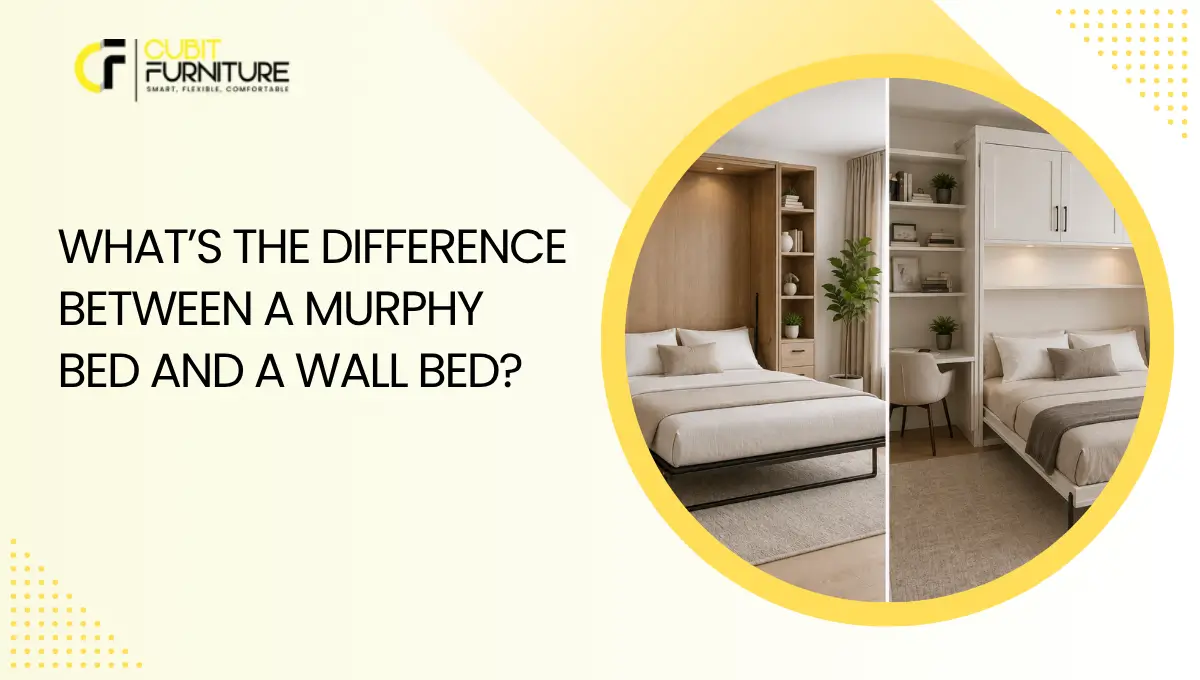
Evaluating the subtle distinction between a Murphy bed and a wall bed helps...
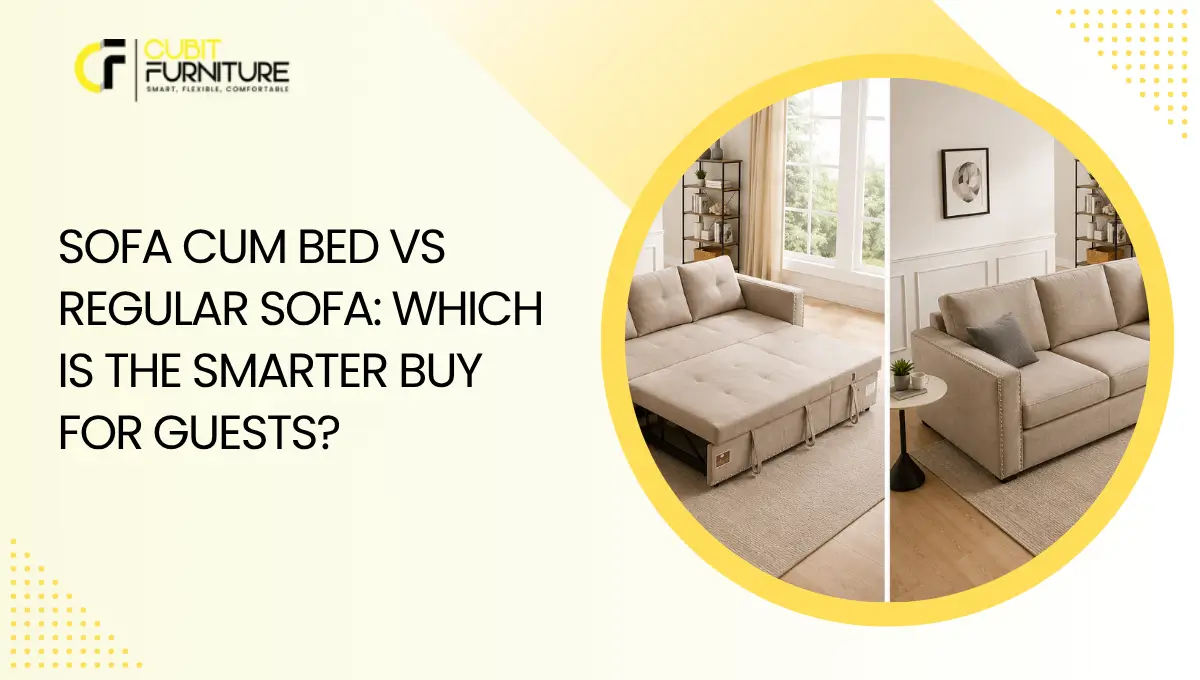
Selecting between a sofa cum bed and a regular sofa defines how living...
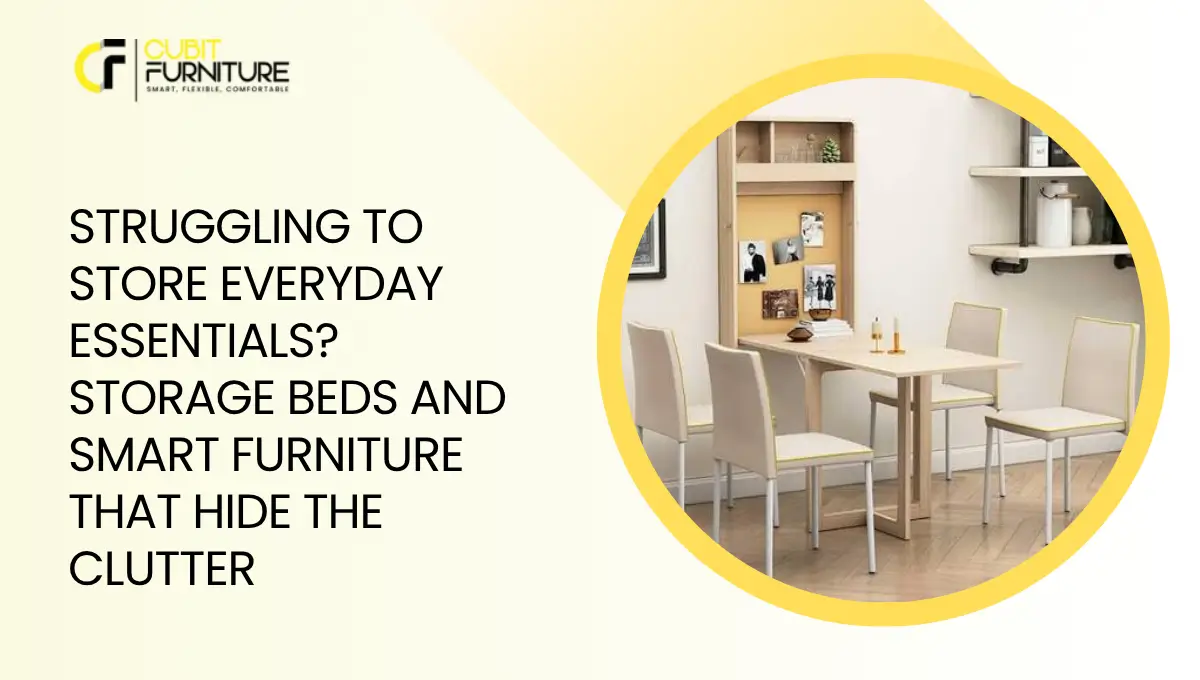
Smart Furniture Innovations That Make Home Storage Easier Hidden Storage Ideas to Create...